
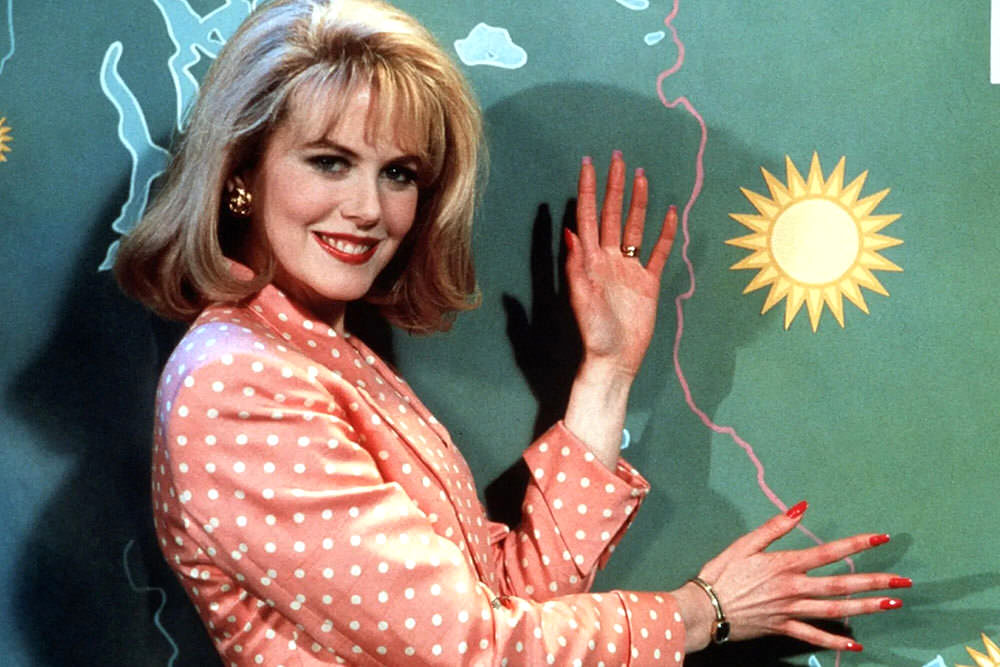
To Die For (1995)
Director: Gus Van Sant
Starring: Nicole Kidman Joaquin Phoenix, Matt Dillon, Ileana Douglas, Casey Affleck, Kurtwood Smith, Taylor Holland, Dan Hedaya
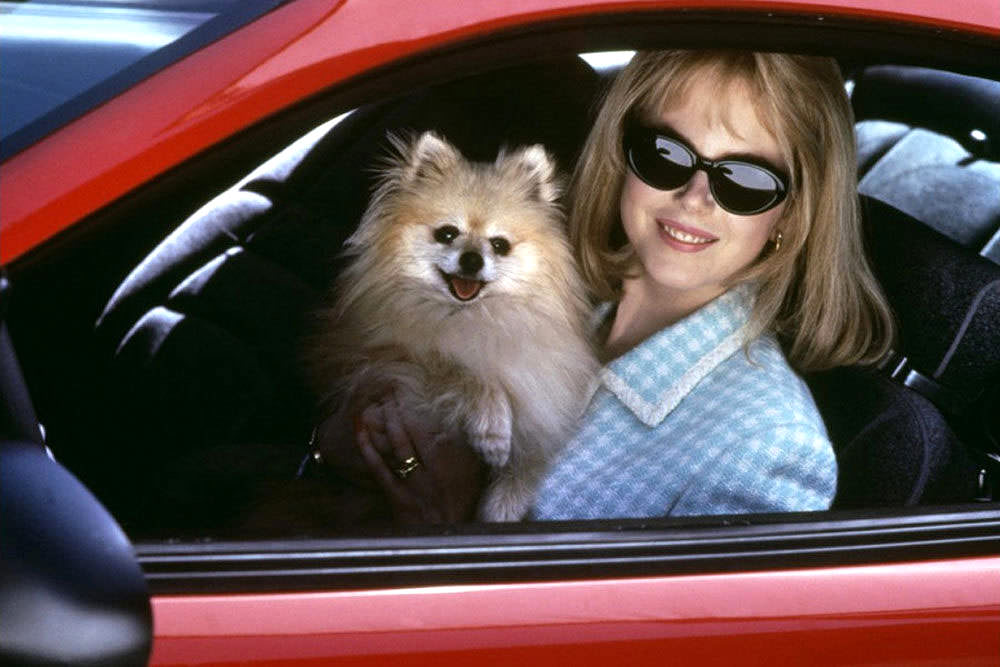
Watching director Gus Van Sant’s To Die For in 2026 is an eerie experience. With the benefit of three decades of hindsight, it’s striking to see a film that’s more representative of its time than it appears to understand while predicting cultural shifts it couldn’t have seen coming. Sometimes, a cultural satire is so biting and well-observed that it winds up uncovering truths it wasn’t even seeking. In some ways, screenwriter Buck Henry managed to do the same thing with To Die For that he did almost three decades earlier with 1968’s The Graduate; he created a story that explained the times in which it was set and predicted where an entire generation of people were going to go.
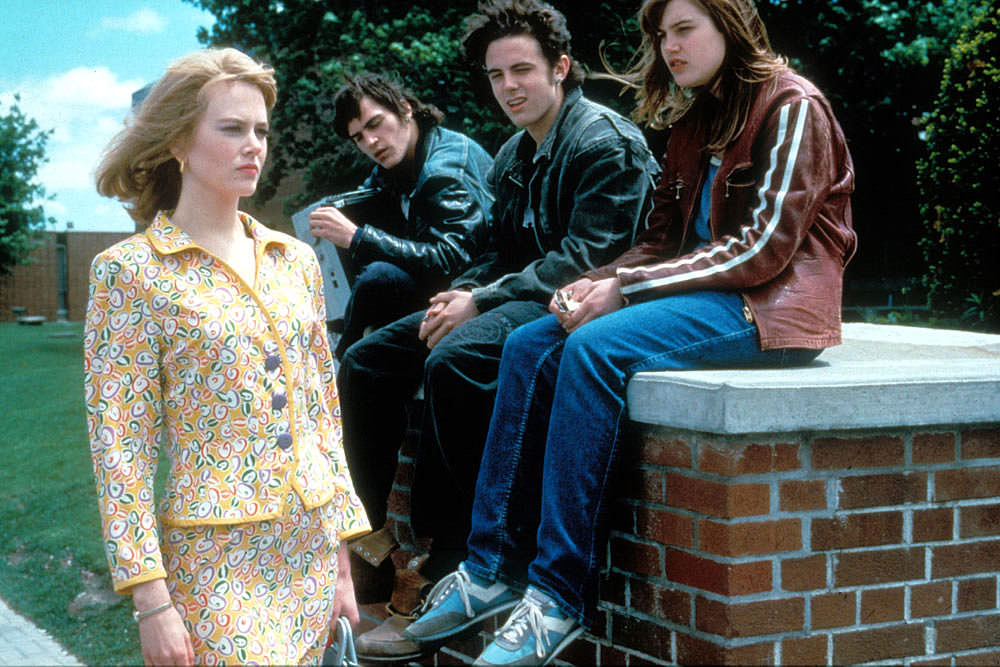
In a world with no internet to speak of, no smart phones, no social media, and the nascent reality television boom was in its infancy, To Die For nonetheless manages to predict the world to come, where every one of those things will dominate the cultural landscape for the next quarter century — and well beyond. Nicole Kidman’s Suzanne Stone exists on a post-second wave feminism cultural continuum that includes Election‘s Tracey Flick, Clueless‘s Cher Horowitz and Legally Blonde‘s Elle Woods; ambitious, pastel-wearing, post-feminist, super-girly types who tend to come off a little (or in Suzanne’s case, a lot) threatening to the social order around them. But unlike those other frilly blondes, Suzanne’s goals were murderous and her ambition had little to back it up. Tracey, Cher and Elle were defined by the ways in which they overcame people’s underestimation of them, but no one in Suzanne’s life truly underestimated her, even though she is the one thing those other blonde warrior princesses aren’t; the one thing Nicole Kidman rarely ever portrays onscreen: Suzanne is kind of dumb.
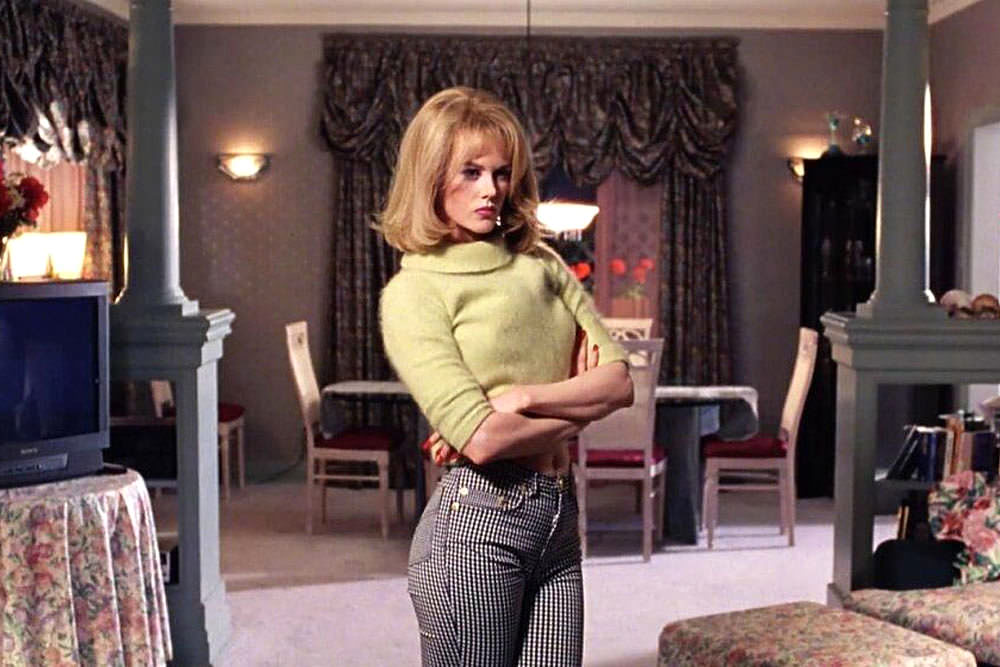
In fact, Suzanne’s dumbness is one of the things that places the film firmly in its time, before the perennial dumb blonde trope would get challenged and overturned. Other aspects of the film that place it firmly in its period: casual ethnic jokes about Italians, a somewhat mean-spirited take on teenagers from impoverished backgrounds, and a near total lack of anything remotely queer in the kind of film (by a queer director) that practically begs for it. And while it was inspired by the murder trial of Pamela Smart (who somewhat hilariously found it insulting), it’s a story that’s practically swimming through the entirety of the ’90s tabloid TV era, from the Menendez brothers to OJ, whose trial verdict came down in the middle of filming.
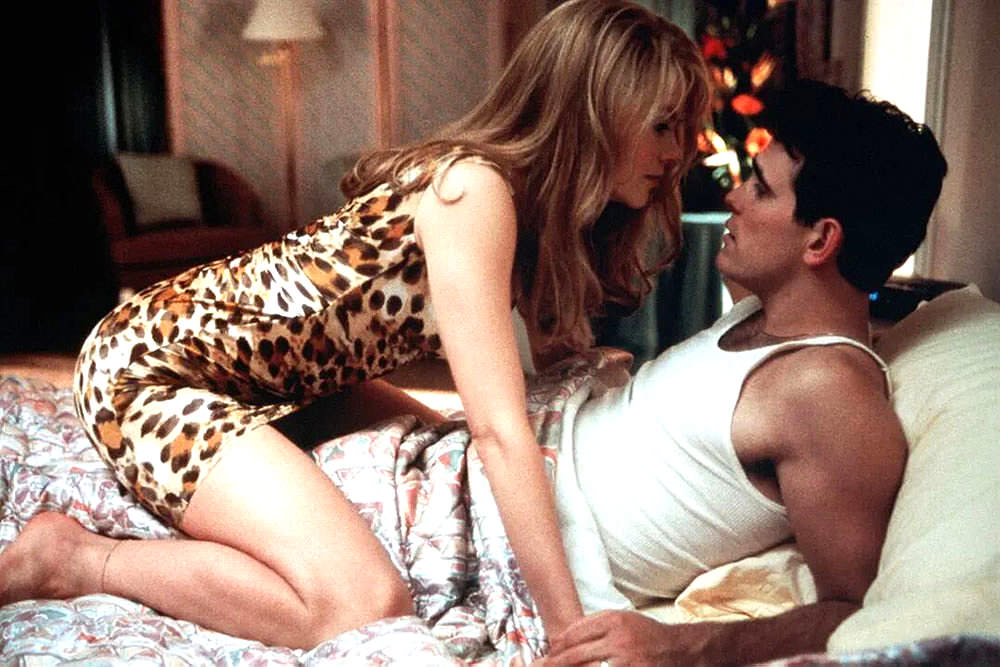
Kidman is an utter force of nature in the film. She pursued the role for some time, with director Van Sant hoping to get Meg Ryan to commit while holding his future star at bay, wrongly assuming that she only did big blockbuster films with her husband Tom Cruise. She was persistent, eventually wearing the director down, and we think that feverish ambition informs how she plays the role. Suzanne seems forever on the brink of losing it, frustrated by everyone around her for not giving her the things that she wants most out of the world. She’s also quite clearly a monster, not just in the way she plotted the murder, but the way she treated those poor dumb kids and the way she instantly pivoted to badmouthing her late husband in the press. Matt Dillon has made a career playing gorgeous dumb guys and we feel like he could’ve done this one in his sleep. Joaquin Phoenix is clearly a star, but his acting is pretty raw and unformed here. He’s a much better actor today, as is Nicole Kidman. The funniest performance in the film comes from Ileana Douglas, who almost steals it away from the rest of the cast.
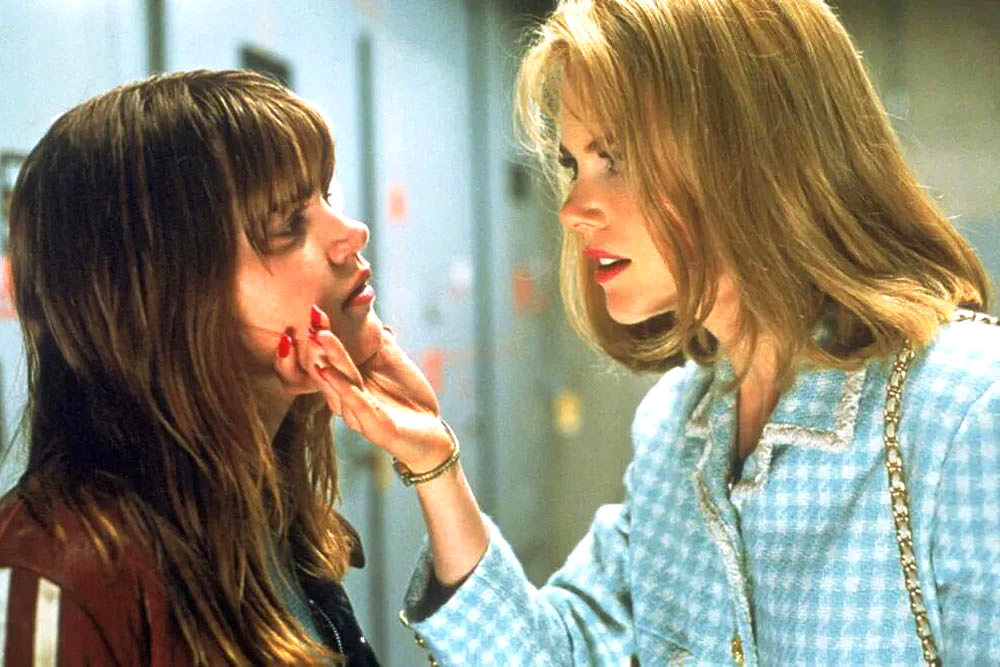
Costume designer Beatrix Aruna Pasztor did something subtle that a costume designer of today might not have considered: she put Suzanne in the kind of attention-seeking, stylish clothing a character like her would wear, but she ensured that all of her onscreen outfits never looked expensive or well-fitted. A less thoughtful costume designer might have kitted her out in high fashion looks, but when the collar on her jacket gaps or the textile of her dress comes off a little flimsy, you’re being told a few things about this character. She’s mimicking success. She’s extremely ambitious and she wants to make a splash, but she doesn’t have the money for a more expensive wardrobe or the sophistication to fake one. She’s dressed in bright colors and pastels throughout the film, but instead of making florals her trademark print (which would be the most obvious way to go), Pasztor dressed her in polka dots and checks, which tend to remind one of the pixelations and video noise that make up fame in a pre-High Definition era.
More thoughts about the film in the BKMC pod, including some observations from a first-time viewer and what surprised him about it.
Further Reading:
‘To Die For’ at 25: An Oral History of the Risky Indie-Meets-Studio Triumph
To Die For: You’re Not Anybody in America Unless You’re on TV
Previous post:
Lorenzo’s Picks for SUMMER SHADES! Next Post:
Lorenzo’s Picks for SUMMER SHADES! Next Post:
-
RUPAUL’S DRAG RACE ALL STARS: SHOP TIL U DROP
-
The Bitter Kitten Movie Club: DOLEMITE IS MY NAME (2019)
-

Pop Style Opinionfest: Billie Eilish Mouths Off, Red Carpets Evolving, and the Looming AI Threat
Please review our Community Guidelines before posting a comment. Thank you!
