
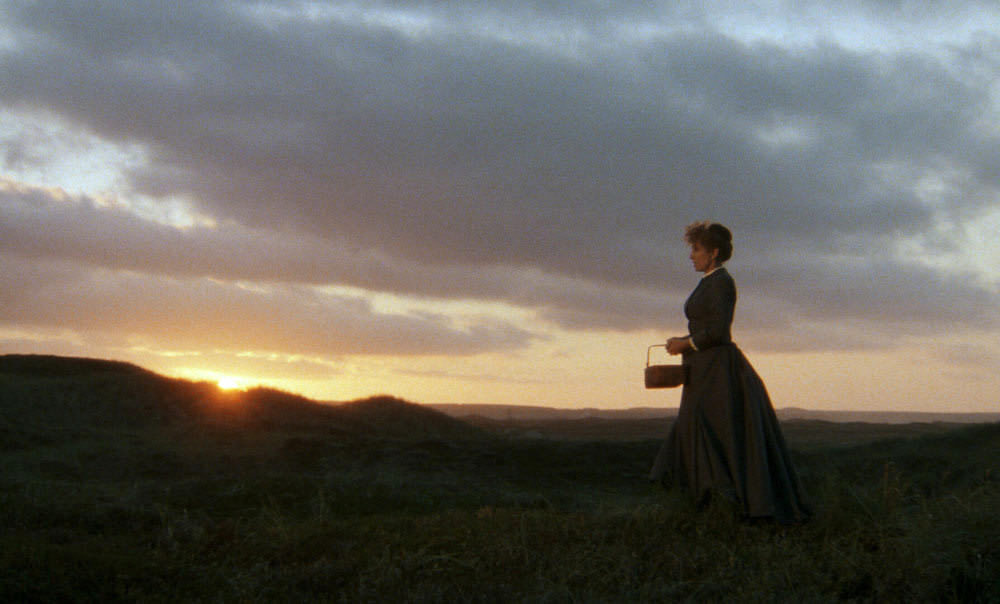
 Babette’s Feast (1987)
Director: Gabriel Axel
Starring: Stéphane Audran, Bodil Kjer, Birgitte Federspiel, Jarl Kulle, Jean-Philippe Lafont
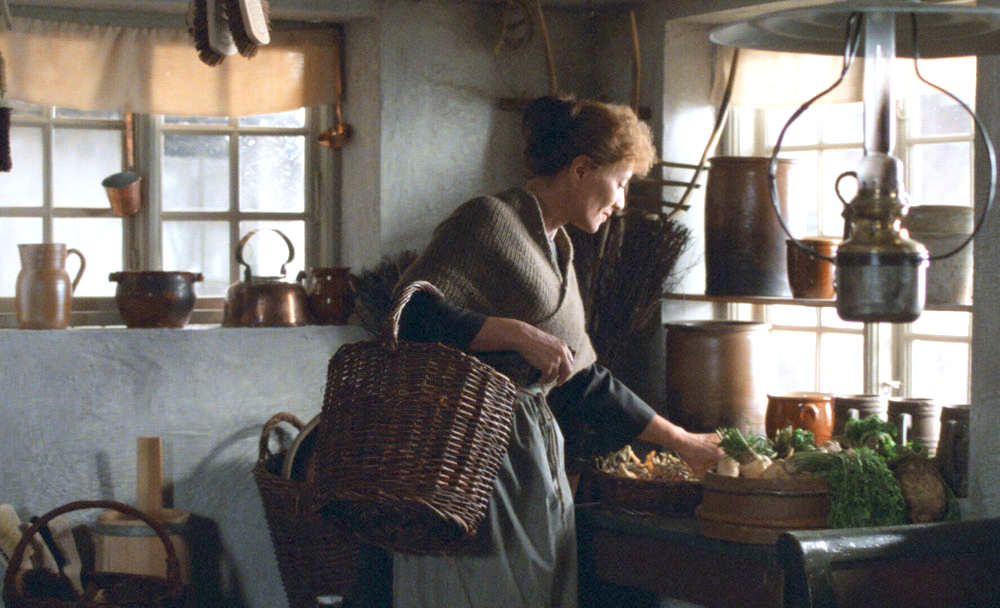
Sometimes, you’ve just got to go to the source for the best take on a piece of art. Much has been written about director Gabriel Axel’s adaptation of Isak Dinesen’s short story Babette’s Feast in the nearly four decades since it debuted. This is not exactly surprising for an Academy-Award winning classic that deals with matters of faith, death, and the gustatory pleasures of life. But neither of us are particularly interested in any interpretation of the film that gets too caught up in unpacking its theology, historical references or even its recipes. As Axel said in 1988, in an interview with Sight & Sound, “All I can say is that in Babette’s Feast there’s a minister, but it’s not a film about religion. There’s a general, but it’s not a film about the army. There’s a cook, but it’s not a film about cooking. It’s a fairy tale, and if you try to over-explain it, you destroy it.” To be fair, we think the film lends itself to interpretation and we don’t think a work’s author gets the final say on how it should be received.
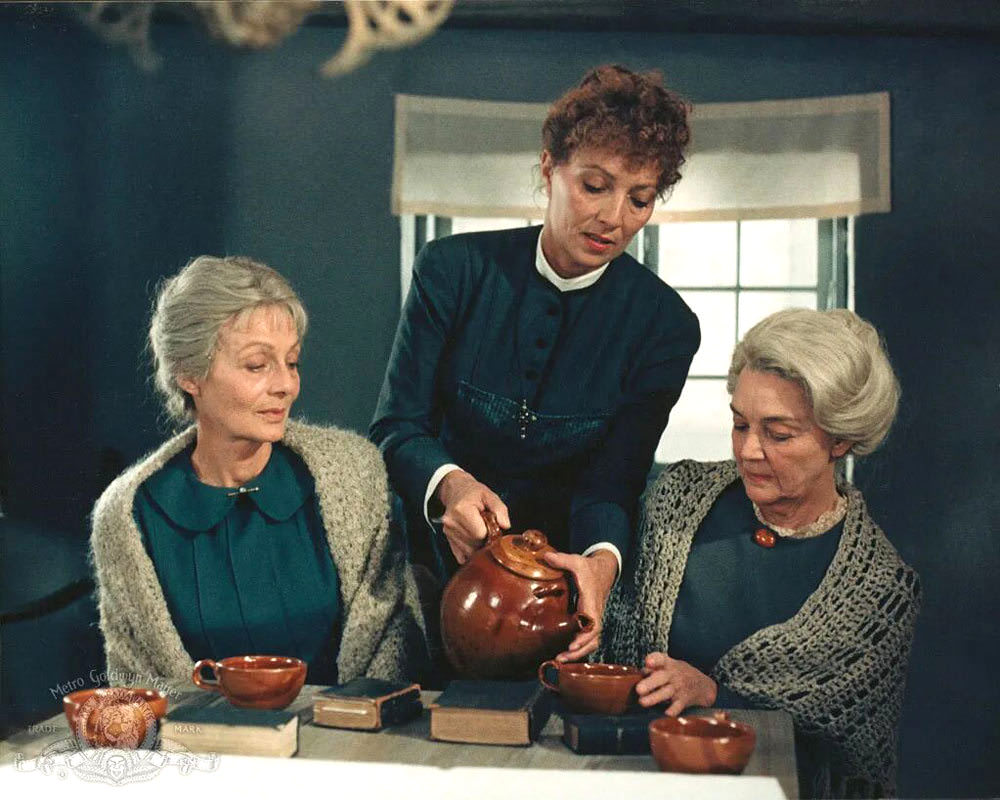
There’s an interpretation of the film that positions Babette as a Christ figure, executing her own last supper to a table of twelve under-impressed disciples who don’t really understand what’s being offered to them, who nonetheless become transformed by the meal. It’s certainly a tempting perspective and it’s hard to argue that Blixen didn’t intend it, but one of the things we love most about this film is the director’s light touch on themes and metaphors. Axel avoids making them too obvious or labored. Christ metaphors and death metaphors tend to be some of the most heavy-handed in art, so we appreciate that the title character’s Messianic qualities are largely left unstated and its references to death oblique and obscure (the entombed birds of the cailles en sarcophages, the extinguished candle).
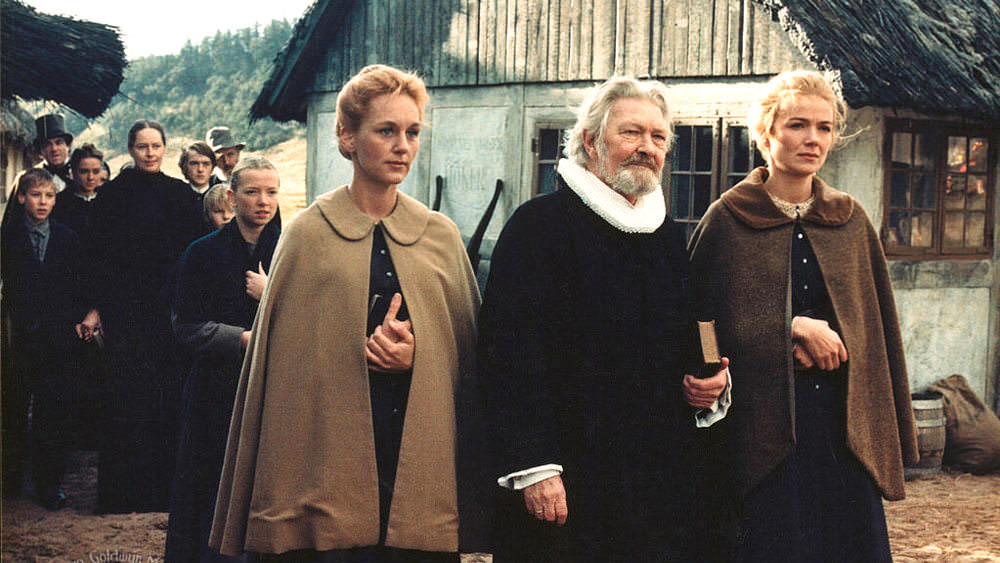
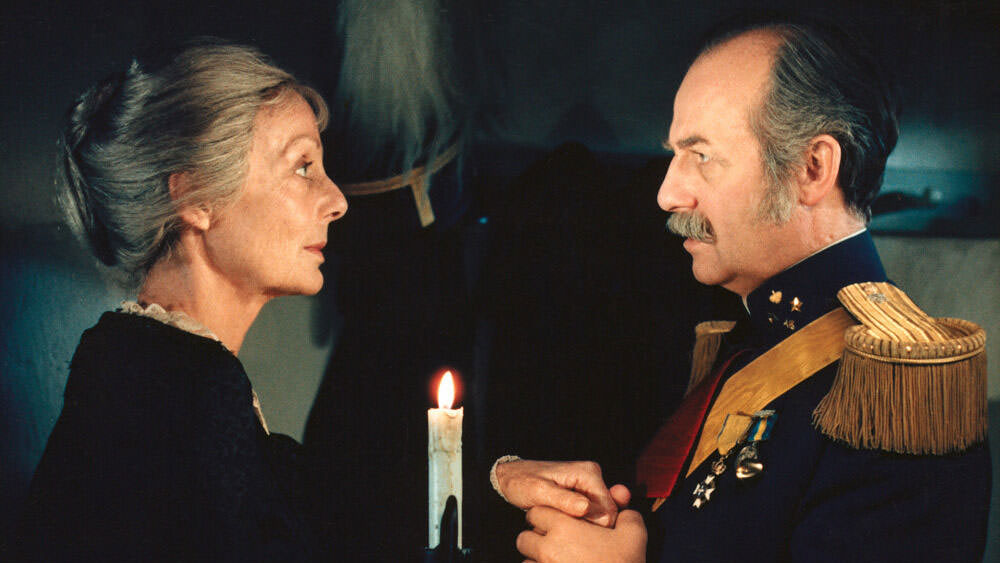
Similarly, the workings of the village, not to mention the intense difficulties of the lifestyle it promotes, are not particularly explained or judged, but they don’t really have to be. Simplicity in life and demeanor is the way of things, and it’s enough to know that Martine and Filippa are beloved and highly regarded members of this tiny sect. It’s notable, however, that the sisters’ suitors were both extremely worldly men from outside who found life in the community so stultifying that it left them depressed and unsure of themselves. The General in particular spent most of his life in conversation with his brief time there, haunted by his inability to stay and shamed by his lack of piety. Monsieur Papin was nearly suicidal staring out at that gray sea, until he found a life preserver that he practically smothered with his attention, ultimately terrifying her. The one glimpse we get of the man in his old age doesn’t paint a picture of satisfaction or happiness. The film doesn’t seem interested in unpacking the downsides of life in such an isolated and restrictive community, or judging the people in it for their religious beliefs, but it makes it perfectly clear that it’s an extremely difficult life that the vast majority of people wouldn’t be able to handle.
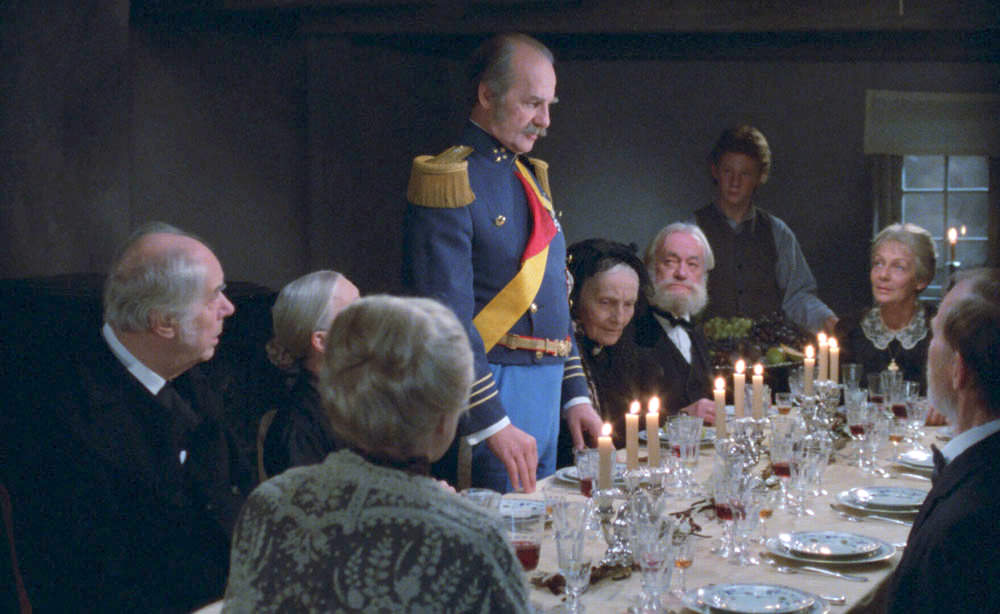
But is this a sad story? There’s sadness in it, certainly. At times, it seems defined by a sense of disappointment and emptiness. The shot of Babette just staring out the window at the stark landscape in which life has placed her, tears in her eyes but her face otherwise motionless and stoic, could be seen as something of a thematic statement. This is hard, but I will bear it. At the very least, it speaks to Babette’s own character as a strong-willed woman who will never complain about where she is or how she wound up. On the other hand, it’s difficult not to see the General as a somewhat pitiful blowhard of a character whose disappointment stems not from the things life withheld or took from him, but the things in life he chose to pursue and ultimately achieve. Disappointment, the film seems to be saying, comes for us all in the end, like death. It’s up to us how we’re going to weather it.
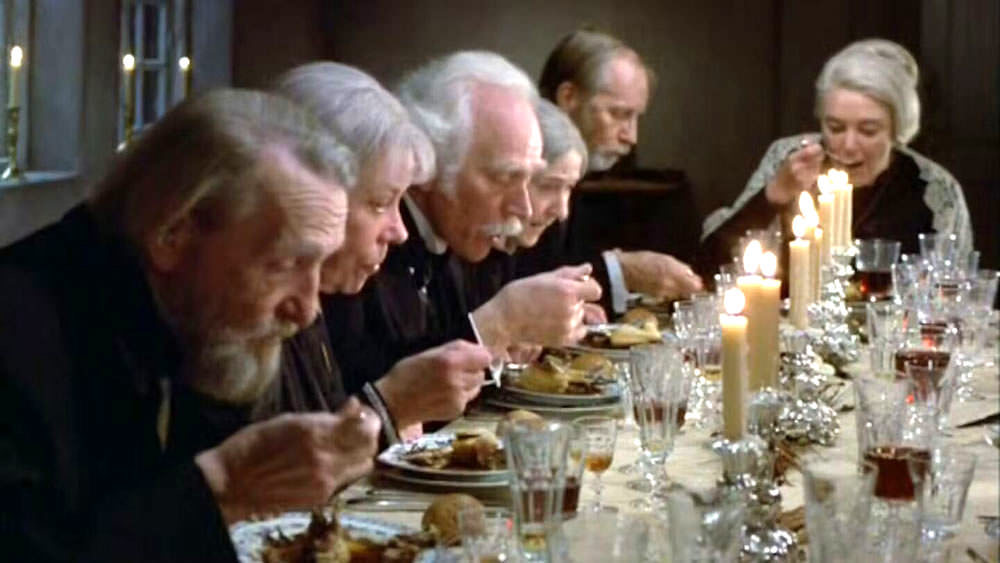 At the same time, however, it’s a film practically dense with kindness, from the sisters delivering meals to the shut-ins of the village to the kind banter between Babette and the grocer or the way it refuses to judge or make fun of a group of people that would be fairly easy to ridicule. In the original story, Blixen has Babette reveal the truth of the meal with a certain haughtiness that Axel doesn’t allow her to have in the film, choosing instead to make our last image of her one of beatific stillness. The final shot of the film is a candle burning out, which can be seen as a visual metaphor for the death that is coming very soon for all of these characters or the extinguishing of an artist’s final work. The sisters will die soon, as will every person at that dinner table. Babette will never again create art like the art she created this night. But the elderly are content with their fate and she is satisfied with what she has wrought. There’s intense beauty in that.
More thoughts in today’s BKMC pod:
Further Reading:
Stéphane Audran, Vermeer and Lagerfeld: The Visual Richness of “Babette’s Feast”
Babette’s Feast; A Fable for Culinary France
Six Reasons to Watch Babette’s Feast (differently)
Musings on Food and History: Babette’s Feast
[Photo Credit: Courtesy of Janu Films, MGM]
Previous post:
Lorenzo’s Picks for OUTDOOR ENTERTAINING! Next Post:
Lorenzo’s Picks for OUTDOOR ENTERTAINING! Next Post:
-

Pop Style Opinionfest: Courtside Celebrities and Crazy Fandoms
-

RUPAUL’S DRAG RACE ALL STARS: TOO MANY DADDIES
-

Bitter Kitten Movie Club: ATONEMENT (2007)
Please review our Community Guidelines before posting a comment. Thank you!
