
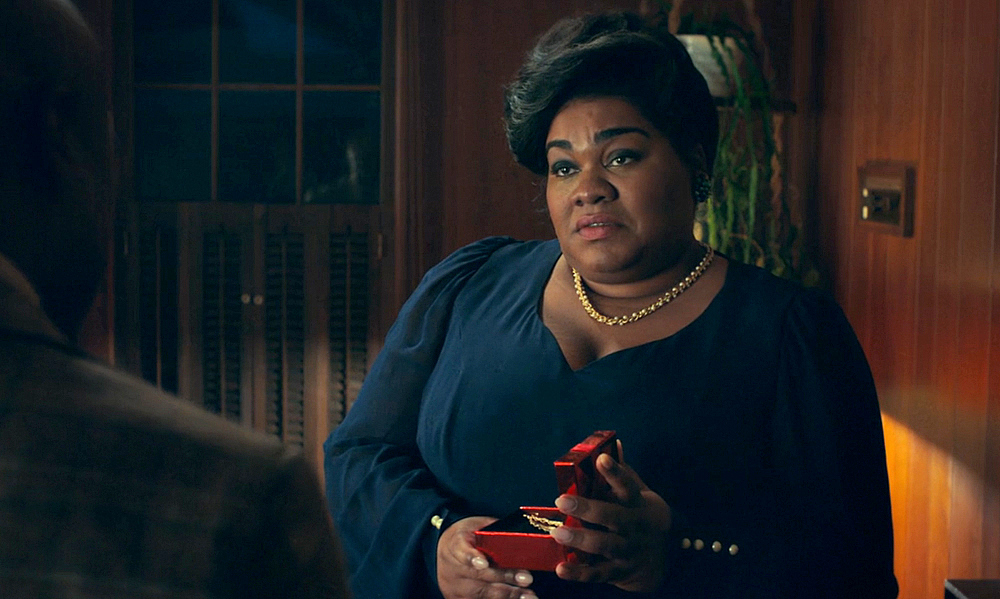
Yesterday, a faithful yuletide wife! Today, a mourning holiday mother. We’re sorry again! As we noted with the first sad frock in this calendar, Christmas stories can be sad and full of the dead. In fact, some of the very best Christmas stories are about grief and guilt and depression. In director Alexander Payne’s The Holdovers, all of the main characters are hurt people who feel or are made to feel like the world is moving on without them. Da’Vine Joy Randolph plays Mary, a cafeteria worker at an elite New England boarding school for boys. She’s stuck at the school for the holidays along with abandoned child Angus (Dominic Sessa) and the universally unliked teacher punished with babysitting him during the holiday (Paul Giamatti). She’s still in mourning over the son killed in Vietnam and his uniform is extremely prominent when she picks out the dress for the neighborhood Christmas party all three of them have been invited to.
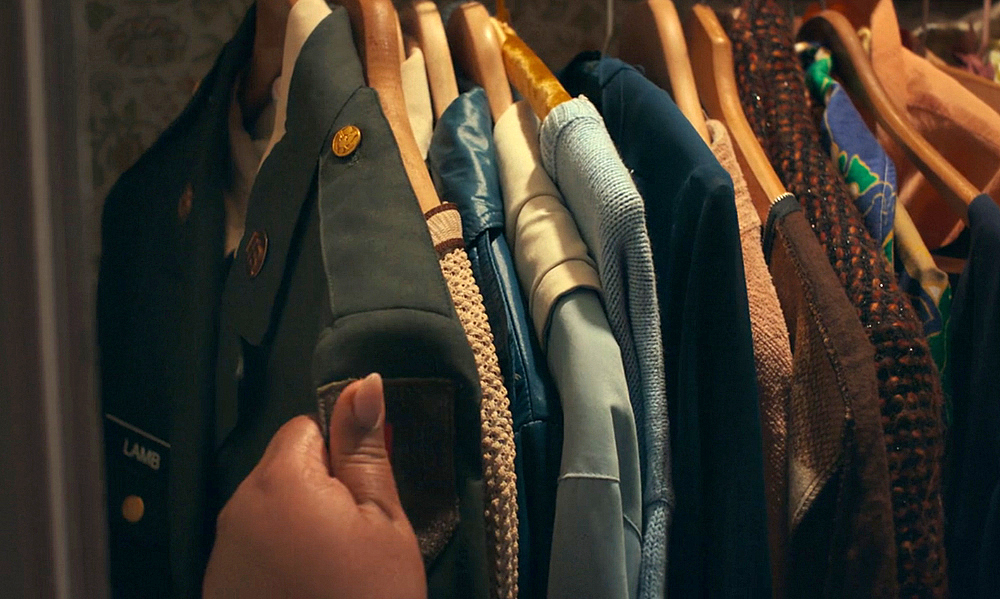
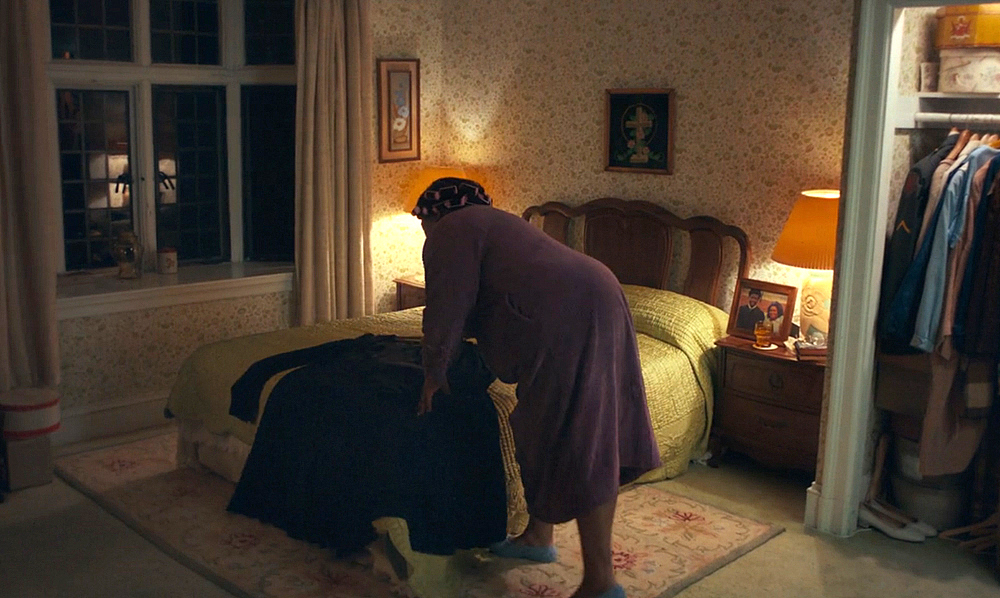
As we’ve noted before, you should always pay attention to a costume when the filmmaker has decided to show you the character picking it out and putting it on. Characters usually wear multiple costumes throughout the course of a film but usually there’s only one chosen for a scene like this. It tells you that this is an important garment, either to the wearer or to the story. In this case, we’d say it’s both, because it tells you something about Mary’s grief as well as the community which surrounds her. Unfortunately, like all three of the mains, Mary simply isn’t ready to join society again and the party becomes a sad affair for her as she has a little too much to drink and winds up wallowing in her grief.
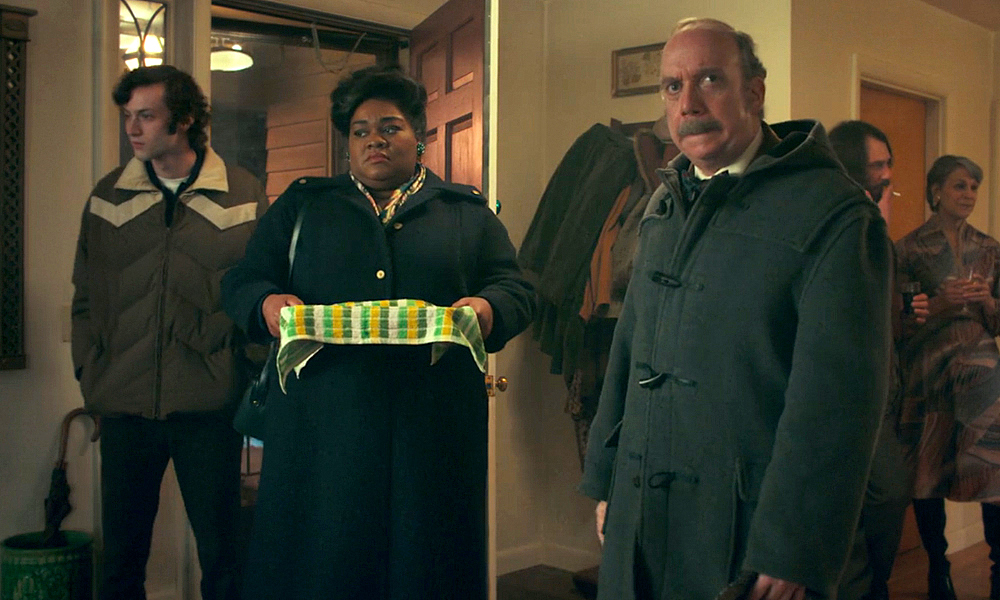
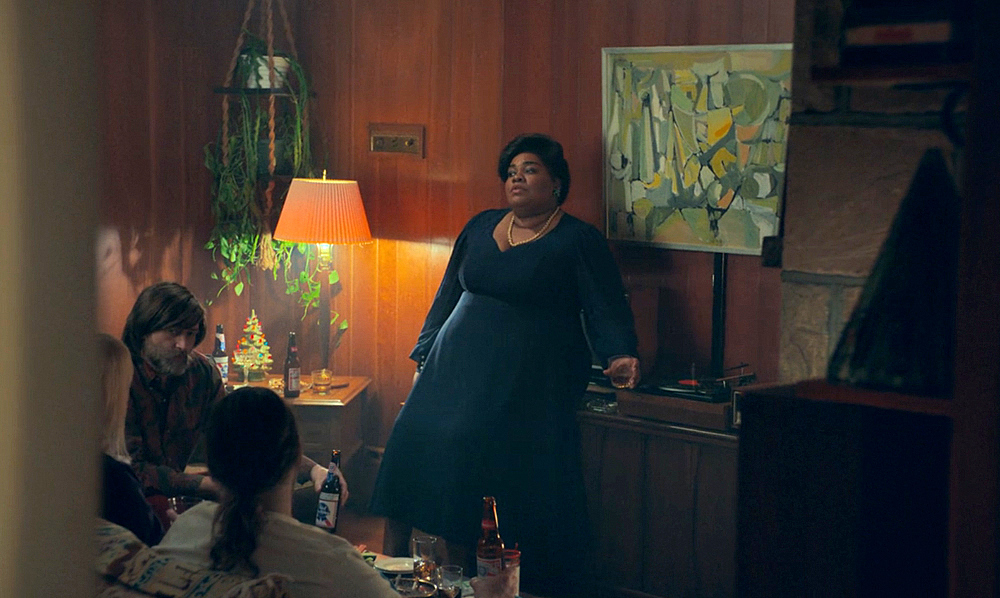
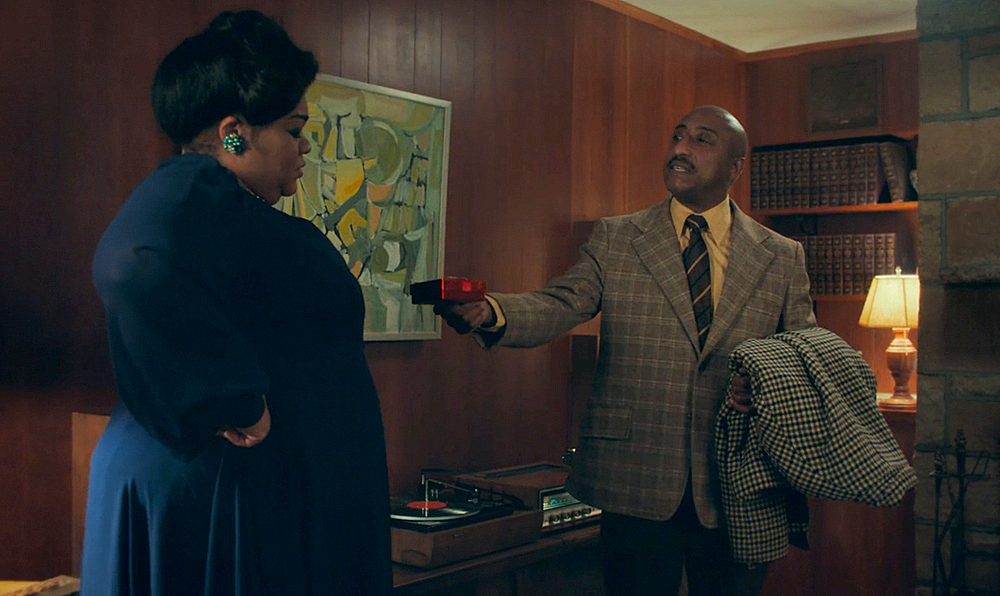
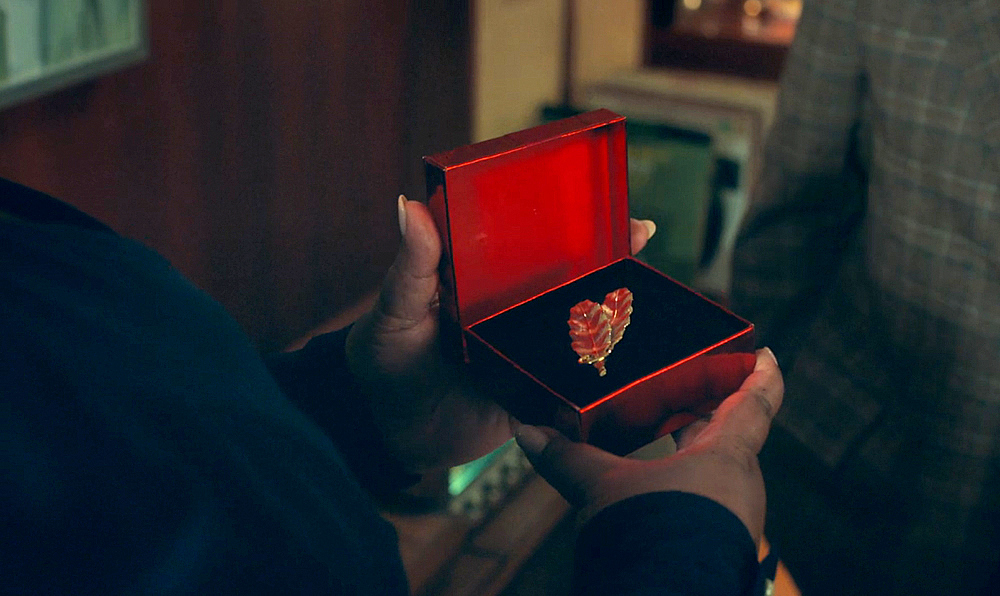
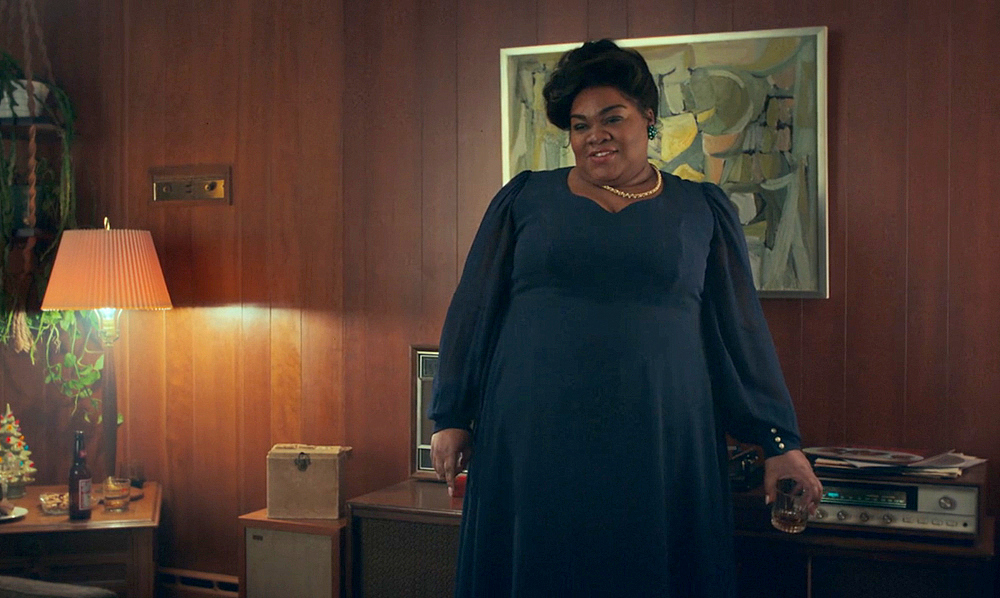
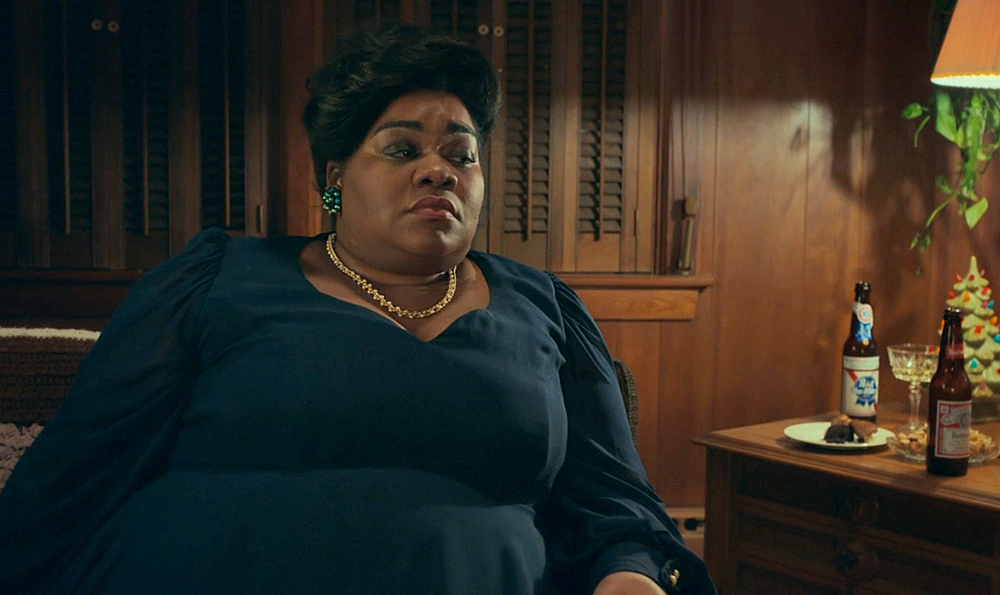
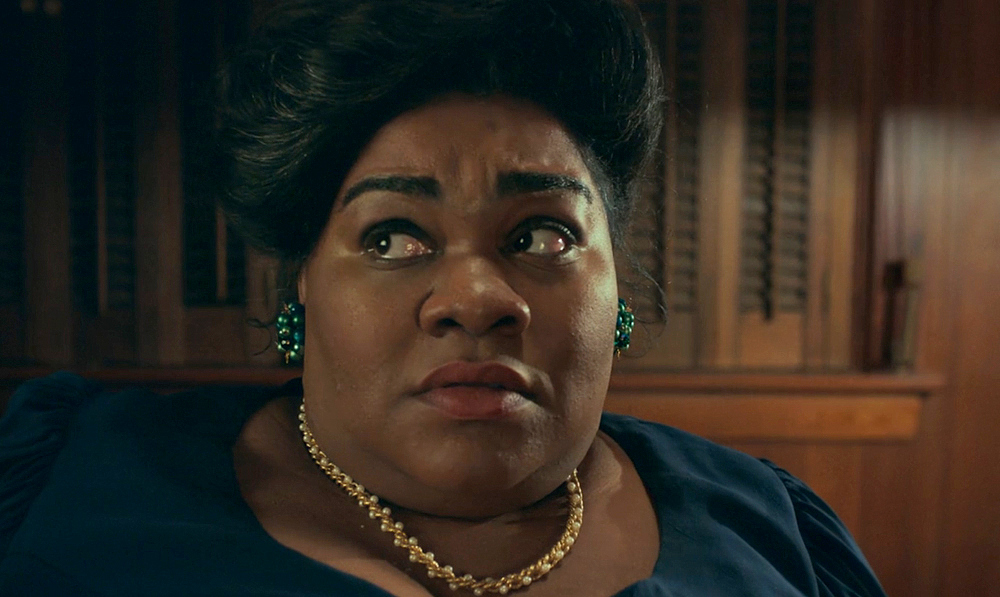
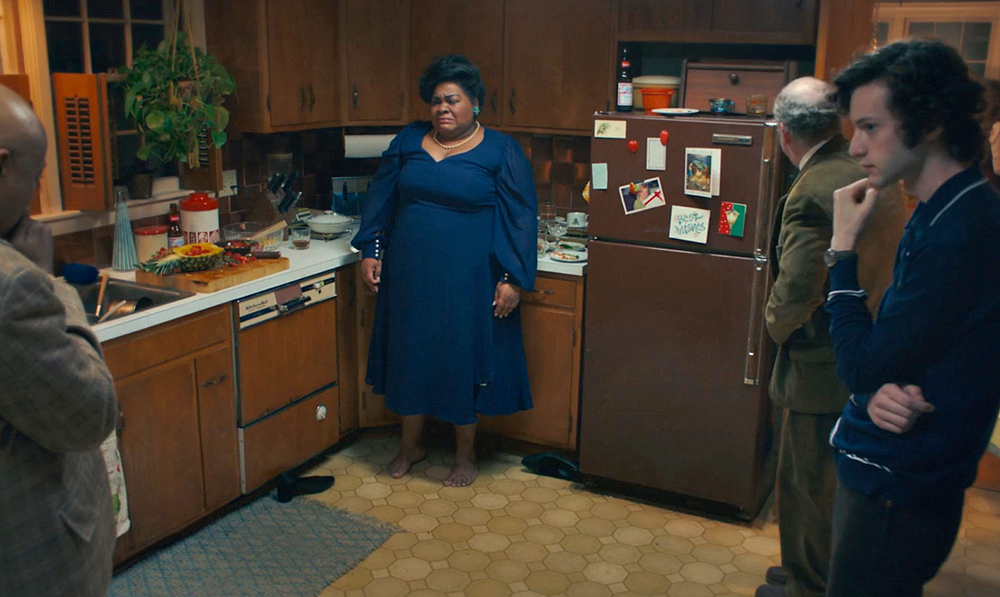
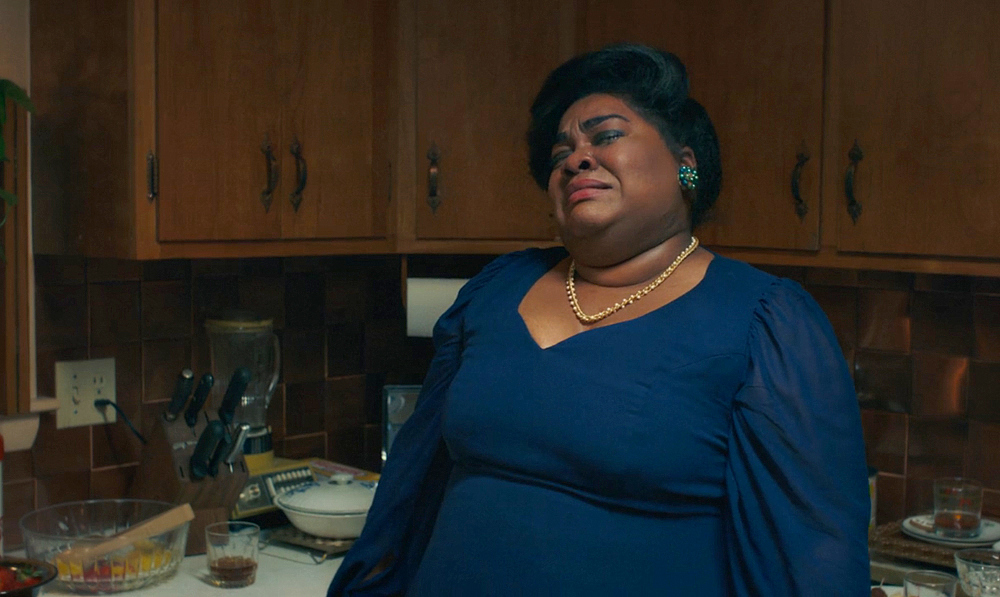
What we love most about this costume is the lack of condescension. She is a depressed, poor, Black plus-size woman who has a breakdown at a mostly white Christmas party. The impulse to put her in something sad or worn or hopelessly out of style would have been great, but instead, costume designer Wendy Chuck chose to clothe her in a legitimately nice dress that looks good on her. A less imaginative take would have had her standing there in something that made her stand out from the other guests; something that more overtly signaled her size or her economic status or her race; something that would have turned her into an object of pity. But the tragedy of this scene is that Mary is surrounded by her community at a time of fellowship and hospitality. She belongs here, but she can’t stay here because her grief is too great. Like the other main characters in this film, her sadness has her stuck in a place somewhat outside of the community, longing for a way to get back to it. Those earrings and that necklace? That’s Mary trying her best.
Tomorrow: Pure Christmas sex!
[Photo/Still Credit: Focus Features]
Previous post:
T LOunge for December 17th 2025 Next Post:
Gwyneth Paltrow and Timothée Chalamet at the New York Premiere of MARTY SUPREME
T LOunge for December 17th 2025 Next Post:
Gwyneth Paltrow and Timothée Chalamet at the New York Premiere of MARTY SUPREME
-

Red Carpet Rundown: Louis Vuitton and W Magazine’s Intimate Awards Season Dinner
-

T Lo’s Favorite Red Carpet Looks of 2025, Part TWO
-
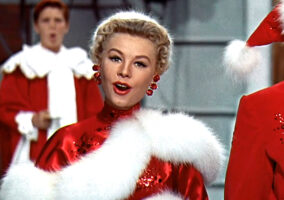
Christmas Movie Dress Advent Calendar Day 24: Vera Ellen in WHITE CHRISTMAS
Please review our Community Guidelines before posting a comment. Thank you!
